Anode Materials “Three-Way Battle”: Why Lithium Metal Stands Out
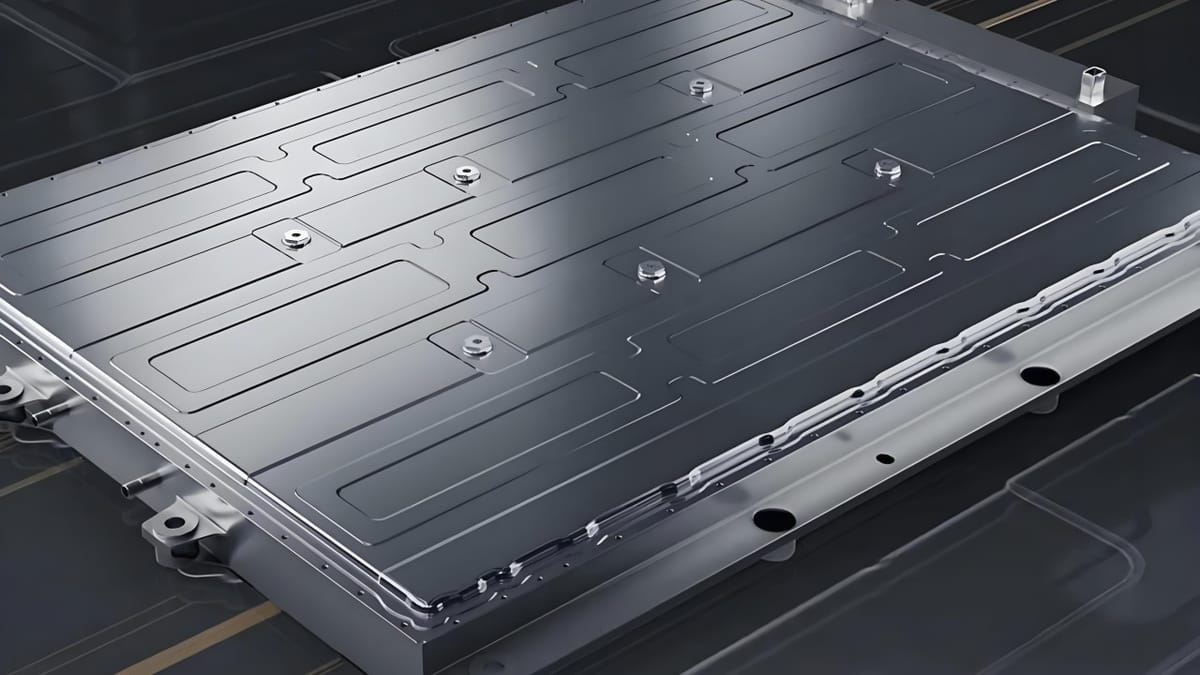
In the realm of solid-state battery anode materials, three main technical routes currently exist, each with its own strengths and weaknesses:
-Graphite Anode: Mature and stable technology, but with an energy density ceiling of only 300 Wh/kg, unable to meet high-range demands.
-Silicon-Based Anode: High theoretical capacity (exceeding 400 Wh/kg), but with a volume expansion rate of up to 300%, resulting in poor cycle life and stability.
-Lithium Metal Anode: Offers capacity close to silicon-based anodes, with lower volume expansion, and superior safety and cycle life.
Initially, the industry anticipated lithium metal anodes would not be commercialized until 2030, but several research teams now project this could happen as early as 2027-2028.
Lithium Metal: The Ideal Anode Material
In lithium batteries, the ideal anode material is lithium metal itself. During battery discharge, lithium atoms in the anode lose electrons, undergoing an oxidation reaction to form lithium ions. These ions detach from the anode, migrate through the electrolyte to the cathode, and complete the electrochemical reaction. In this process, lithium metal anodes offer a significant advantage due to their high theoretical energy density (nearly 10 times that of graphite), making them the ultimate pursuit for lithium battery anode materials.

Challenges of Lithium Metal Anodes
However, every advantage comes with challenges. Lithium metal anodes face the following key issues:
Lithium Dendrite Growth: During charge-discharge cycles, lithium forms dendritic structures on the metal surface, known as lithium dendrites. In conventional liquid lithium batteries, these dendrites can pierce the liquid electrolyte and separator, causing short circuits, battery failure, or even spontaneous combustion or explosions.
Volume Expansion: Lithium metal undergoes volume changes during cycling, impacting battery structural stability.
To mitigate these issues, the industry has typically incorporated lithium into cathode materials, such as lithium iron phosphate (LFP) or lithium cobalt oxide (LCO), while using graphite for the anode. Graphite’s porous structure acts like a “building,” accommodating more lithium atoms while suppressing dendrite formation and volume expansion. Later, to further increase energy density, silicon was introduced, leveraging its stronger adsorption to store more lithium atoms, leading to the development of silicon-carbon anode materials.
Solid-State Electrolytes: A Breakthrough for Lithium Metal Anodes
With advancements in solid-state electrolyte and separator technologies, solutions to the dendrite and separator-piercing issues of lithium metal anodes are emerging. The core principles include:
Dendrite Suppression: Solid-state electrolytes possess high mechanical strength, effectively inhibiting lithium dendrite growth and preventing separator penetration, thus reducing internal short circuits and safety risks.
Stable Interface Formation: Solid-state electrolytes form a stable solid electrolyte interphase (SEI) on the lithium metal anode surface, minimizing side reactions between the lithium metal and electrolyte, and enhancing interface stability.
Ganfeng Lithium, covering lithium resource mining, processing, and battery manufacturing, with strong vertical integration capabilities, it is the world's third-largest and China's largest producer of lithium compounds, as well as the world's largest producer of metallic lithium.

Comments ()